So I blew into Maine, the Pine Tree State, just ahead of Dorian, now downgraded from Hurricane to Tropical Storm. True to form, (just call me “Jonah of the Airwaves”), my flight from Burlington, Vermont was delayed with knock-on effects on rapidly filling connections to Bangor, Maine. It became a mad rush to avoid a night in Bangor Airport, as my case arrived before me, one of life’s mysteries – if my case gets the flight, why couldn’t I be on it too? Another incident where it would have been quicker and less stress to drive.
Overhearing fellow travellers ordering the rental shuttle (bang on closing time), I stuck to them like glue. The car rental company got 2 customers for the price of 1.
I drove off into the twilight in a fabulous Nissan Versa (barely 1900 on the clock), hellbent on reaching the campground I’d cancelled only that morning. Everyone was looking to find home. And I turned into the guy who rocked up at a campground just as everyone else would be bunking down.
Mount Desert Island; the name a reflection of it’s bare treeless mountain summits. It is home to the type of community not dissimilar to that of Marthas Vineyard in Massachusetts, or any other remote rural area with stunning scenery. It covers 108 square miles, of which 76 are protected by the Acadia National Park. There are four Townships on the Island, a resident population of 10,615 and 3.5 million visitors in 2018, attracted to the rugged wooded interior, lakes and Atlantic coastline.
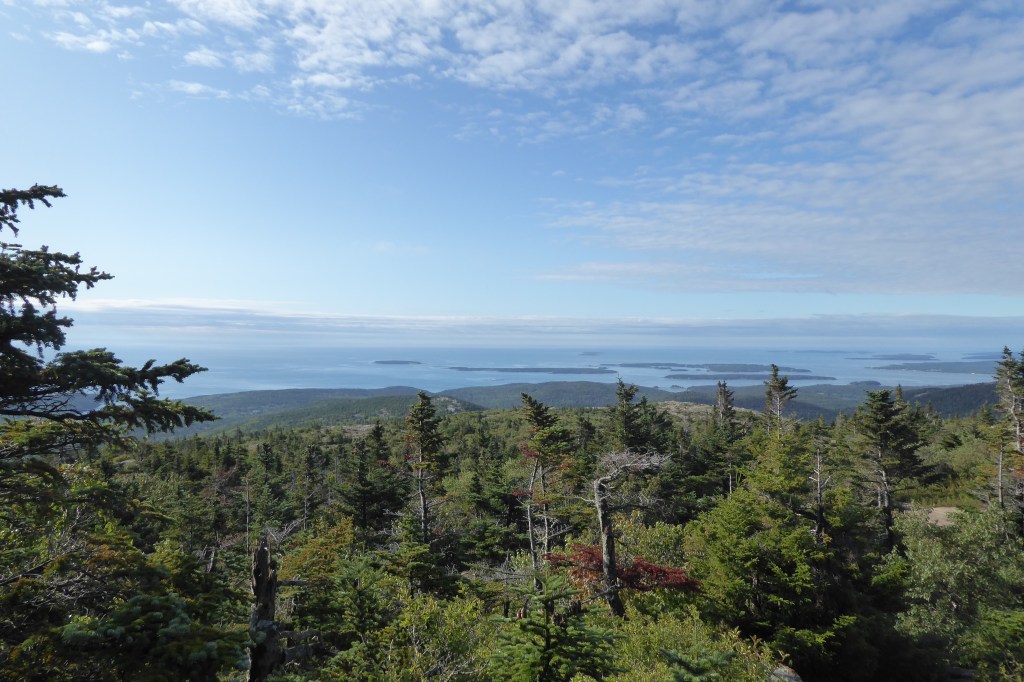
Cadillac Mountain is famed for being one of three places in mainland US to see the first sunrise on most mornings. It’s a prime place to view migrating raptors (birds of prey).
Bar Harbor, the largest town, welcomes over 180 cruise ships in the tourist season. As a result of the hurricane there were four in at once as I arrived, their numbers quadrupling the towns population. There is simmering controversy on the congestion caused by visitor traffic. A free but seasonal shuttle bus service connects the Island hot-spots.
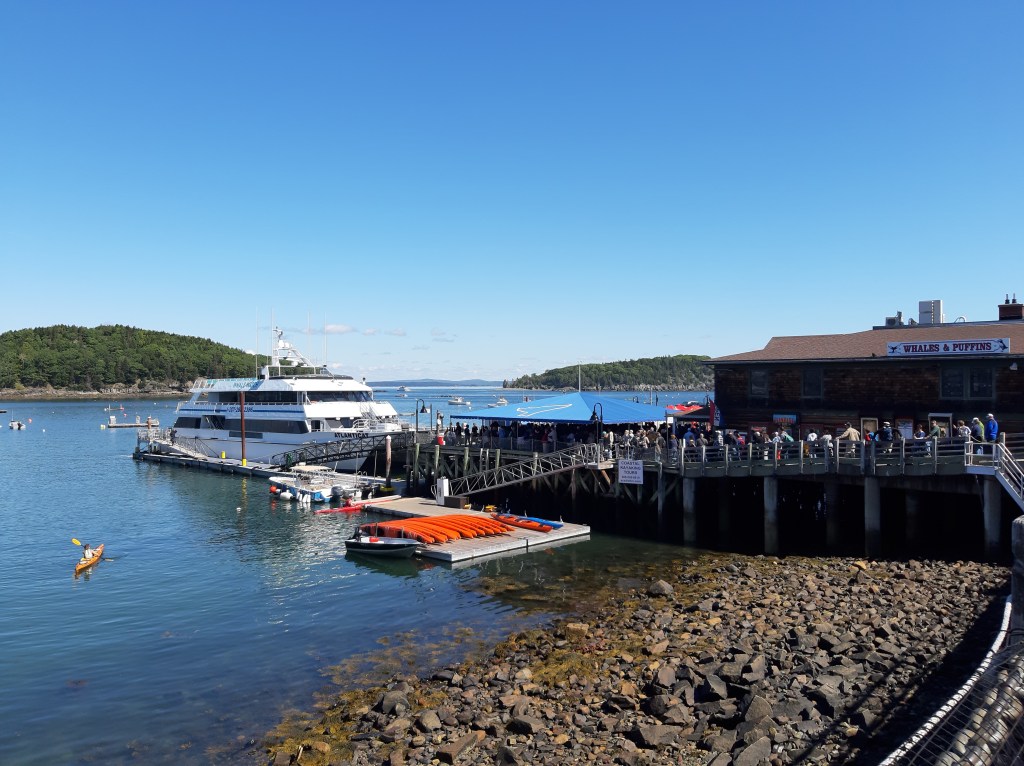
We enter ground hog day.
This is a desirable place to be, to own a summer home in the shadow of a National Park, for property investment. Supply of housing and year-round rental stock is dwindling. 36% of the housing is seasonal only.
As with every other tourist area, the AirBnB market is shifting rentals from long term to short-term higher returns. Employers are struggling to house and retain seasonal workers and key workers in public services.
Housing costs have inflated beyond the resident income levels; in 2016 the estimated median household income was $60,295 ($40,539 per capita). With a median house value of $392,135, this translates into 78% of households unable to afford a mortgage.
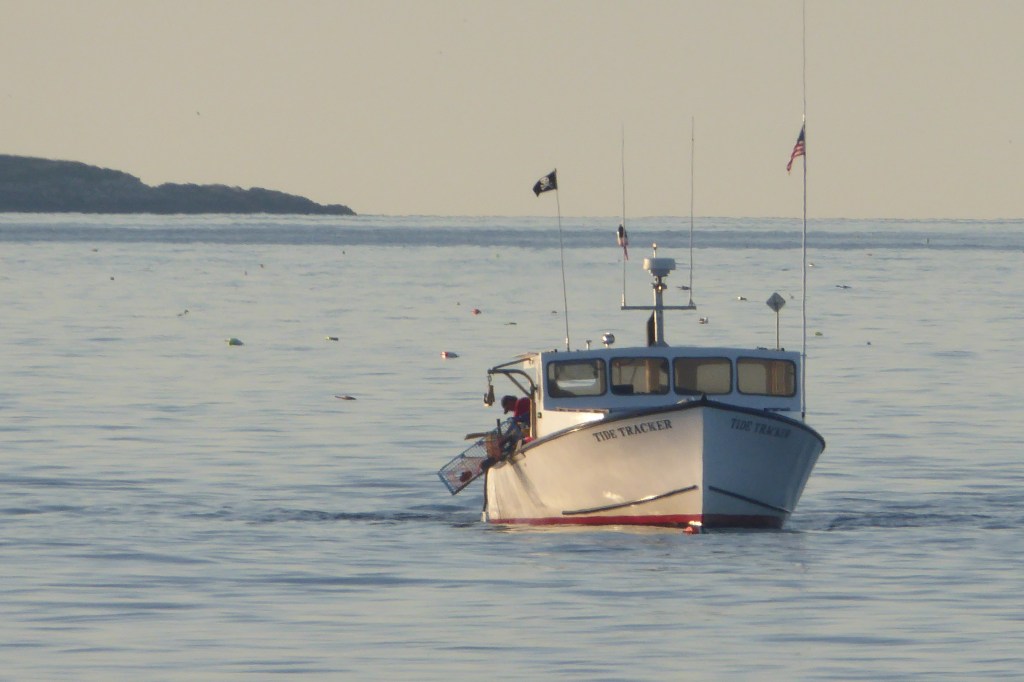
54% of workers on the Island live off the Island, an indicator of the affordability gap.
The age profile that makes up the fabric of the Island community is skewed towards the 50-70 year old group and the resident population is steadily declining, affecting the viability of community services. The elementary and middle schools have declining numbers; one school by over 25% in the past 10 years. Not all schools will be open in the next 10 years.
Young people cannot afford to stay resident in Mount Desert Island, where they have grown up, with generations of knowledge about the landscape, history, flora, fauna, customs. They are leaving.
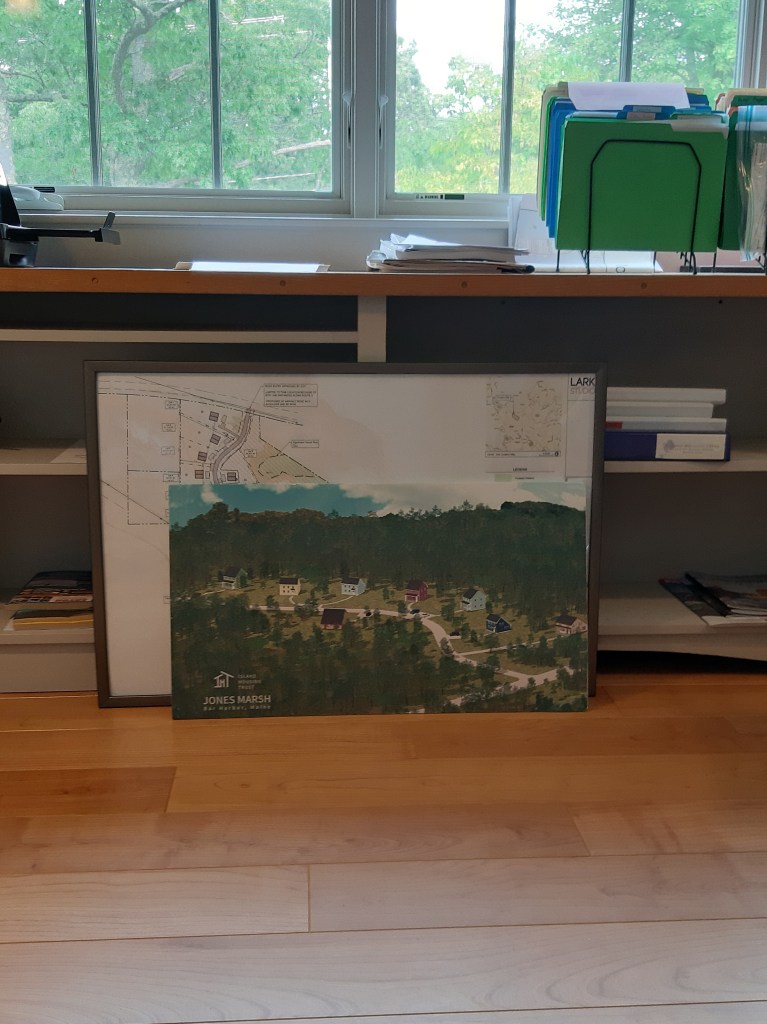
The Island Housing Trust has been working with communities on Mount Desert since 1989 to reverse the depopulation trend, in a stunning location where competition for housing space and short-term gain is fierce. The waiting list for their properties is extensive.
Alongside the townships, there are lost landscapes here; where once there was hay meadow, salt meadow, peat bogs and commercial orchards there is now woodland and remnant pockets.
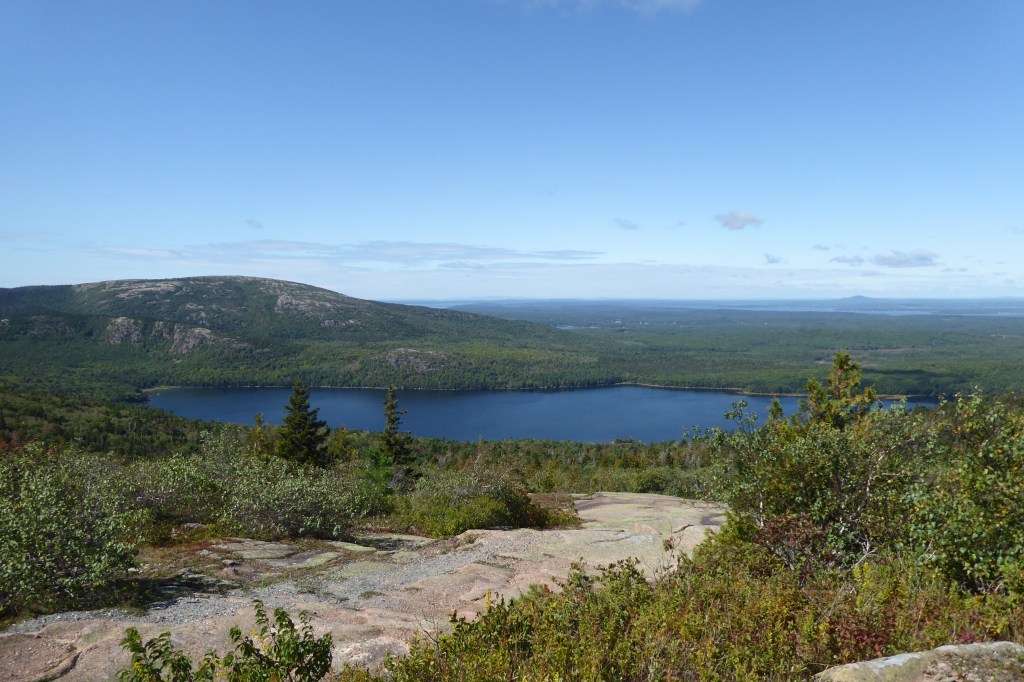
The National Park system in the US is, in the majority, focused on maintaining or creating wilderness models. Mount Desert is definitely wild, but has never been wilderness and in Acadia they neglect the historical and ecological value of the managed agricultural landscape. Without people the culture and heritage of an area becomes two dimensional; narrative on an information board.
I am reminded of visiting the Big Bend National Park in Texas and the growing horror at realising the so-called ruined farmstead I was fascinated by was not a product of time, but of an eco-facist approach to conserving landscape above community. People became conservation refugees and an area lost the soul of it’s culture.
Young people cannot afford to stay resident in the Yorkshire Dales, where they have grown up, with generations of knowledge about the landscape, history, flora, fauna, customs. They are leaving and we all have the responsibility to consider the human cost of living in a National Park and the reality of our vision for the future.
 On a Mission - learning from the CLT Movement